
Reviewed · BANGKOK COOKING CLASSES
Homies Thai Cooking Experience
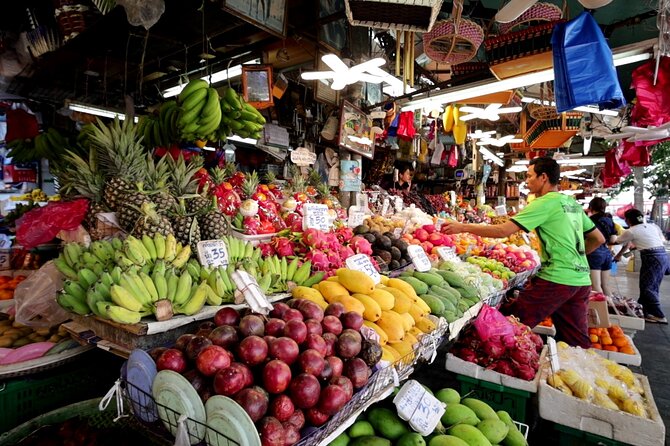
The best part of the Homies Thai Cooking Experience is the path from market stall to meal. You start by learning about and choosing fresh Thai ingredients, then take them into a small-group cooking class where a local chef shows you how to prepare traditional dishes.
I like that the market visit gives the food a context beyond a recipe, and that you cook and eat the dishes yourself rather than simply watching a demonstration. I also like the group limit of eight, which leaves room for individual instruction.
One thing to consider: the exact menu and market details are not specified, so you cannot choose the class for a particular dish or plan around a named market. If you have dietary needs, contact the provider in advance.
At a glance
- Start with a local market visit: Learn about and select fresh ingredients used in Thai cooking.
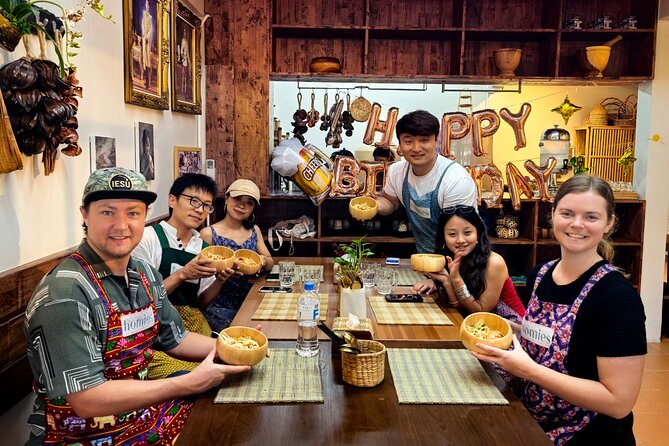
- Cook with a local chef: The class is hands-on, with instruction in cooking techniques and the cultural background of dishes.
- Expect a small group: No more than eight people take part.
- Eat what you prepare: The meal is included, as are all ingredients.
- Plan for three hours: The experience starts and ends at MRT Huai Khwang Station, Exit 3.
- Tell the provider about dietary needs: Vegetarians are welcome, and other restrictions can be accommodated with advance notice.
From MRT Huai Khwang to the market
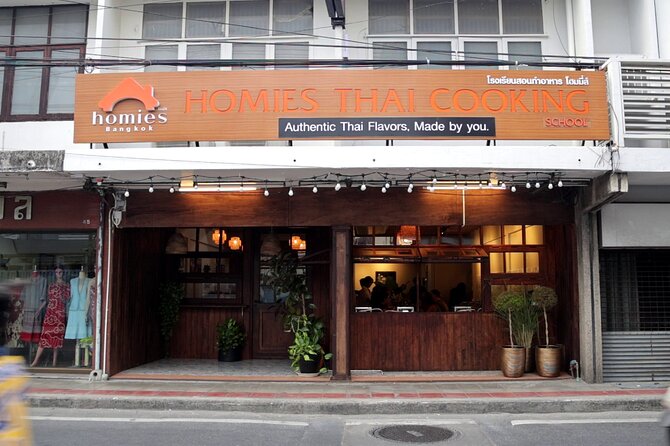
The meeting point is MRT Huai Khwang Station, Exit 3, in Din Daeng. The station is near public transportation, which makes this a practical starting point if you are moving around Bangkok by rail. The experience also ends back at the same meeting point, so you do not need to arrange a separate return destination.
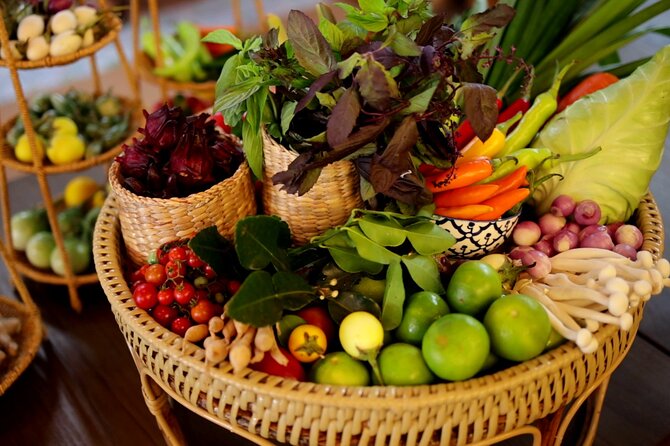
From there, the class begins with a guided visit to a local market. You will learn about and select fresh ingredients used in Thai cooking. That is a useful first lesson because ingredients are not just a shopping list: learning what to look for can help you make better choices when you try a recipe later.
The market visit is also a chance to connect dishes with the foods that go into them. The tour description promises guidance on selecting exotic ingredients, though it does not name the market, specific ingredients, or how long you will spend there. Keep your expectations focused on the experience that is described: a guided introduction and a chance to choose ingredients, rather than a long market tour or a set of named vendor stops.
If you are keen to learn, ask questions as you go. The class is designed to include practical ingredient selection as well as cooking, so this is a good moment to note what is unfamiliar and how the chef explains it.
More cooking classes around Bangkok:
- Bangkok: Hands-on Thai Cooking Class and Market Tour
★ 4.9 · 1,614 reviews - Bangkok: Tingly Thai Cooking School Half-Day Cooking Class
★ 4.9 · 1,191 reviews - Bangkok: Maliwan Thai Cooking Class with Market Tour
★ 4.9 · 1,133 reviews
A hands-on class, not a cooking show
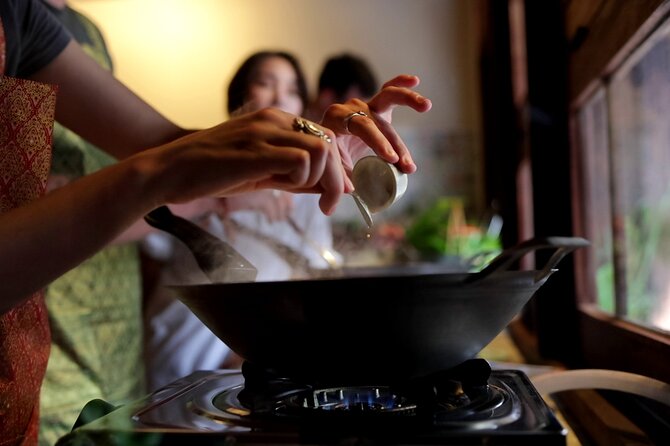
After the market, you move into a cooking class led by a professional local chef. The emphasis is on preparing traditional Thai dishes yourself, with instruction along the way. You are not simply watching someone else cook and hoping to remember the details later.
The chef also explains techniques that are intended to be simple to repeat at home. That practical focus matters: a class can be enjoyable in the moment but hard to use afterward if it depends on specialist equipment or unexplained steps. Here, the stated aim is to teach methods you can take back to your own kitchen.
The class also covers the cultural significance of the dishes and shares historical tips about Thai cuisine. That adds a useful layer to the cooking. You learn not only what to do, but why a dish belongs to a broader food tradition. The precise dishes and techniques are not listed in advance, so treat this as a general introduction to Thai cooking rather than a class built around one specific recipe.
The experience is capped at eight participants. That is small enough to make personal instruction more plausible than in a large demonstration class, though it is still a group activity and the amount of one-to-one time can depend on who attends and what the class is preparing. One account of the experience describes cooking four dishes with extra time to speak with the chef. That gives you a sense of what a session can include, but the number and selection of dishes are not guaranteed details.
Choosing ingredients makes the meal more memorable
The market stop is more than a scenic prelude. It gives you a chance to connect the ingredients with the recipes and ask how to select them. For anyone who wants to recreate Thai food at home, that can be as valuable as learning the cooking steps. A recipe tells you what to add; a market lesson can help you understand what to look for in the first place.
There is a practical limit to what can be promised here. No market name or ingredient list is provided, so you should not book expecting a particular produce stall, a dedicated market-shopping session, or a detailed lesson on every item in Thai cooking. What is clear is that the market visit is guided and that ingredient selection is part of the program.
If you have never cooked Thai food, this sequence is especially sensible. You meet ingredients before using them, then move on to preparation and cooking with a chef present. If you already know Thai recipes, you may find the class most useful for the chef’s techniques and explanations rather than for a basic introduction to familiar ingredients.
Cook, then sit down to eat
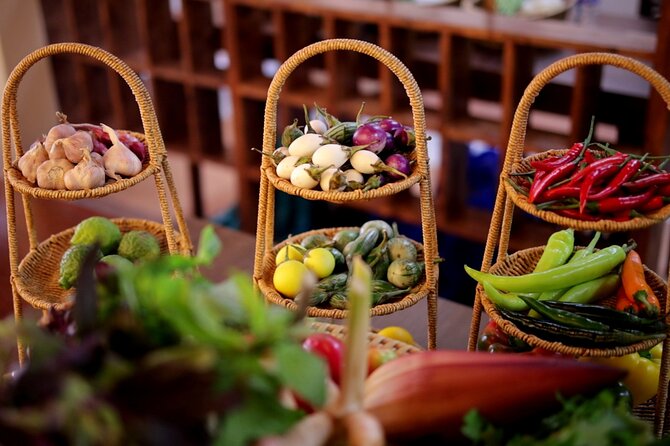
The final stage is the most direct reward: you eat the dishes you have prepared. Meals and all ingredients are included in the price, so there is no separate charge for the food used in class. Soda and other pop are not included, so budget for those separately if you want them.
Cooking your own meal changes the way you experience it. You have handled the ingredients and followed the method, so each dish comes with a story about how it was made. The class is also social by design: you share the cooking space and meal with a small group, rather than taking a private lesson.
The exact menu is not published in the details provided. If you are hoping to cook one particular dish, ask the provider before booking rather than assuming it will be on the menu. The same advice applies if you have strong preferences about spice or ingredients. The class welcomes vegetarians and can accommodate dietary restrictions with advance notice, but the exact substitutions are not specified.
A few more Bangkok tours to look at
- Bangkok: Damnoen Saduak Market and Maeklong Railway Market
★ 4.5 · 26,723 reviews - The Old Siam: Damnoen Saduak and Maeklong Railway Market
★ 4.5 · 10,992 reviews - From Bangkok: Ayutthaya Temples Guided Tour with Lunch
★ 4.7 · 10,535 reviews - Bangkok: Train Market & Floating Market with Boat Ride
★ 4.7 · 9,547 reviews
What $47.02 buys you
At $47.02 per person for about three hours, this is a mid-length activity that combines a guided market visit, a cooking class, instruction from a local chef, ingredients, and a meal. The price is easier to judge as a complete food experience than as a cooking lesson alone. You are getting more than a recipe demonstration, while the included ingredients and meal help keep the cost clear.
There are no extra ingredient charges listed. Drinks are the exception: soda or pop is not included. If you compare this class with another cooking activity, look closely at whether the other price also includes the market visit, ingredients, and the meal you make. Those details make a direct price comparison more useful than looking at the headline rate alone.
The class is booked, on average, 21 days ahead. That is a helpful planning signal, not a rule: availability can change. If this activity fits a particular day in your Bangkok plans, checking early is sensible, especially since the group is limited to eight.
The small-group advantage, and its limits
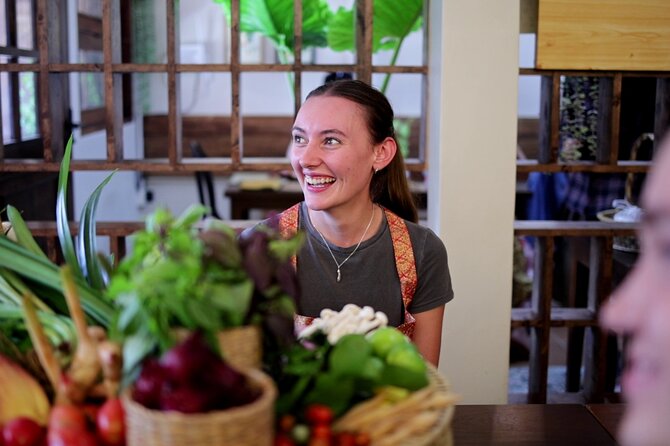
Eight people is a modest maximum for a cooking class. It gives the chef a better chance to answer questions and notice when someone needs a hand than a large group would. A participant has described the small class as allowing more time with the chef, and that is exactly the kind of benefit this format can offer.
Still, small-group does not mean private. You will share the chef’s attention, cooking time, and work space with other participants. If you want a one-to-one lesson or need a very specific pace, confirm that the provider can meet your needs before booking.
The operator is described as clean and efficient, and the class is presented as well organized from start to finish. That matters in a food activity, where a tidy work area and clear instructions help you focus on the cooking. The practical information does not specify the room setup or equipment, so it is best not to assume anything beyond a professional, hands-on class.
Who will enjoy this class most
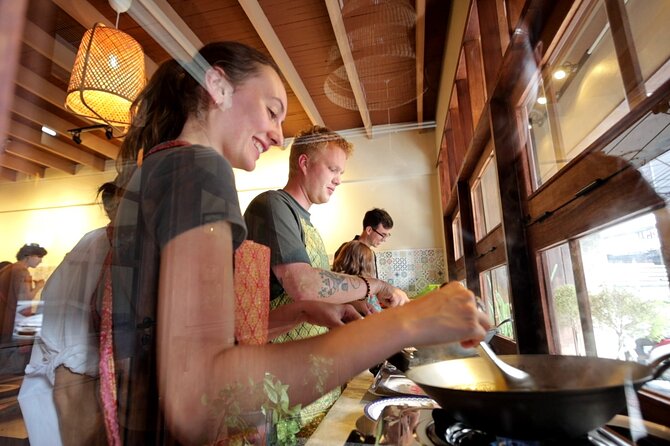
I would put this experience high on the list for anyone who enjoys Thai food and wants to understand how it is made. It suits curious cooks, first-time visitors to Thai cuisine, and people who want an activity that offers more participation than a restaurant meal. The market visit adds value for people who like learning how ingredients are chosen.
It can also work well for vegetarians and people with dietary restrictions, provided they contact the provider in advance. The class explicitly welcomes vegetarians, but the menu and substitution options are not detailed, so do not leave those questions until the day of the class.
If you are focused on sightseeing landmarks, this is not a substitute for a city tour. Its appeal is narrower and more hands-on: you spend roughly three hours learning about ingredients, cooking, and eating. It is a good way to devote part of a Bangkok day to food rather than to monuments or general sightseeing.
Families or groups with mixed cooking experience may appreciate the small group and guided instruction, but the available information does not state a minimum age or confirm suitability for young children. If age, mobility, or a particular accommodation matters to your group, ask the provider directly before reserving.
Booking and practical notes
The activity uses a mobile ticket, and confirmation is received when you book. Meet at MRT Huai Khwang Station, Exit 3, and allow enough time to find the correct exit before the start. The experience returns to that same meeting point.
Service animals are allowed. The activity is near public transportation, which can make arrival straightforward, though no detailed directions beyond the station and exit are provided. The advertised duration is approximately three hours, so leave a little flexibility around other plans rather than scheduling a tight connection immediately afterward.
Free cancellation is available up to 24 hours before the start time for a full refund. Changes made less than 24 hours before the experience are not accepted, and cancellations within that window are not refunded. The cutoff follows local time.
Should you book the Homies Thai Cooking Experience?
Book it if you want a compact, participatory introduction to Thai food, with a market visit, chef-led instruction, and a meal you prepare yourself. The small group, included ingredients, and practical focus make the $47.02 price reasonable for a three-hour activity.
Before you commit, check the menu if you have a particular dish in mind, and give the provider advance notice about dietary restrictions. If you need a specific recipe, a private class, or a detailed market itinerary, confirm those points first. For everyone else, this is a solid choice for turning a meal into a useful, enjoyable cooking lesson.
FAQ
How long is the Homies Thai Cooking Experience?
It lasts approximately three hours.
Where does the experience start?
It starts at MRT Huai Khwang Station, Exit 3, in Din Daeng, Bangkok.
Where does the experience end?
It ends back at the meeting point, MRT Huai Khwang Station, Exit 3.
How many people can join?
The maximum group size is eight travelers.
Are ingredients included in the price?
Yes. All ingredients are included, with no extra ingredient charges listed.
Is a meal included?
Yes. You eat the dishes prepared during the class, and meals are included.
Are drinks included?
Soda or pop is not included.
Can vegetarians or people with dietary restrictions take part?
Vegetarians are welcome, and dietary restrictions can be accommodated with advance notice.
Is free cancellation available?
Yes. You can cancel at least 24 hours before the start time for a full refund. Cancellations made later are not refunded.
Just in for Bangkok
- Private Tour to Ayutthaya and Bang Pa In Palace with Boat Tour★ 5.0 · 15 reviews
- Private Tour to Maeklong Railway Market and Floating Market★ 5.0 · 42 reviews
- Private Tour to Ayutthaya, World Heritage Site with Boat Tour★ 5.0 · 55 reviews
- Private Tour – Top 3 Major Monuments (Grand Palace, Wat Pho, Wat Arun)★ 4.5 · 21 reviews
- Private Tour for Ancient City Bangkok and Erawan Museu(min 2 pax)★ 4.5 · 8 reviews
- Private Tour: The Dragon River & Land of Sacred Deities Chachoengsao★ 5.0 · 4 reviews
- Private Tour to Ayutthaya, World Heritage Site with Boat Tour★ 5.0 · 39 reviews
- Private Tour: Temples Tour of Bangkok★ 5.0 · 49 reviews
Bangkok Cooking Classes, compared.
Tingly Thai Cooking School Half-Day Cooking Class
Read our review →
Tingly Thai Cooking Class with Morning Market Tour
Read our review →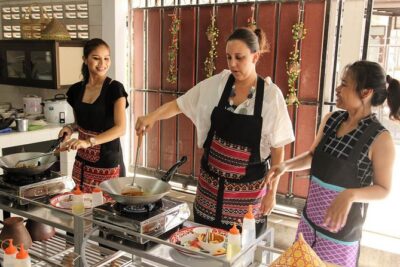
Pink Chili – Thai Cooking Class and Market Tour in Bangkok
Read our review →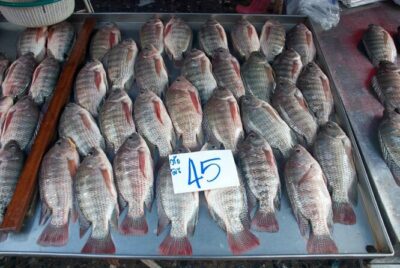
Authentic Thai Cooking with the Largest market visit &TukTuk ride
Read our review →
Browse the lists this tour appears in