
Reviewed · KANCHANABURI TOURS
River Kwai Jungle Rafts: 2-Day Kanchanaburi Escape from Bangkok
The most unusual part of this Kanchanaburi trip is not a museum or a railway ride. It is spending the night on a floating raft on the Kwai Noi River, with no electricity and the jungle close at hand. The two days also connect the region’s World War II history to the places where it happened, including Hellfire Pass and the Death Railway.
I like that the tour combines the Thailand-Burma Railway Centre and memorial sites with a train ride on the railway itself. I also like the long-tail boat transfer and the overnight raft stay, which make the journey more than a quick stop at the Bridge over the River Kwai.
The main trade-off is comfort: the raft accommodation is basic and may have only a fan, with no Wi-Fi or warm water. You’ll also spend time driving from Bangkok and should be ready for heat, walking, and several transfers.
Key points to know before you go
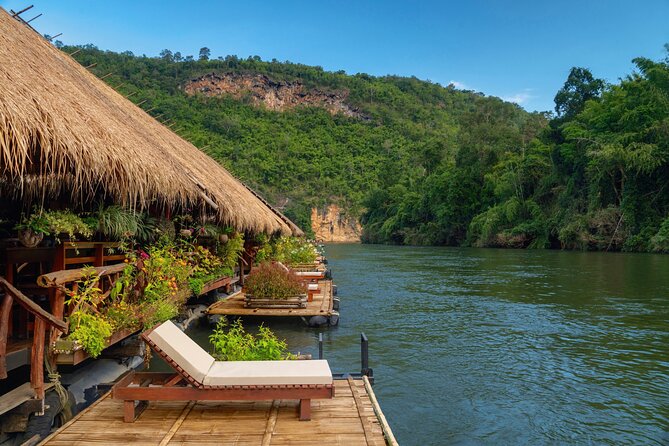
- You sleep on a floating raft: Expect a simple stay with no electricity, and possibly no air-conditioning, Wi-Fi, or warm water.
- The history comes with context: Visit the railway museum and Hellfire Pass, then ride a train over tracks built by POWs and Asian laborers.
- The river is part of the route: Long-tail boat transfers link the Bridge over the River Kwai with the raft accommodation.
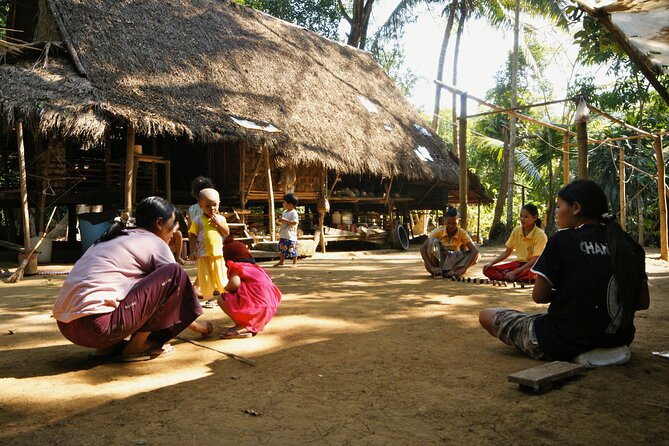
- The Mon community is more than a brief stop: The second morning includes a village visit, a short jungle hike, and a traditional dance performance at the raft hotel.
- The group is capped at 15: Tours run as small-group departures or private trips. Shared tours use an English-speaking guide.
- Bangkok pickup has limits: Pickup is offered from central Bangkok hotels, while some neighborhoods and both airports require an additional charge or a separate meeting point.
Two days that connect the railway story to the river
Kanchanaburi’s wartime history can be difficult to understand from Bangkok. This two-day trip takes care of the long drive, transfers, boat ride, overnight stay, and train ticket, so you can focus on the places and their meaning instead of piecing together transport on your own.
The tour starts at about 6:00 am and lasts roughly two days. The drive from Bangkok takes a good part of the first morning, and the return journey adds more time on the road. That is the price of reaching the region’s sites in a short visit, but the overnight stay makes the schedule less punishing than trying to see everything in one day.
The tour includes a professional English-speaking guide, transport by car, minivan, or coach, long-tail boat transfers, accommodation in a shared twin or double room, listed entrance fees, and a Death Railway train ticket. It is operated both as a private tour and as a shared, seat-in-coach tour. Shared departures have a maximum of 15 people, a useful size for managing transfers and hearing explanations without the feel of a large bus excursion.
Guide assignments vary. Names used on this route have included Sam, Lady, Bligh, and Susan. English clarity can vary, too. If a detail matters to you, ask your guide to repeat it or make room for questions at a stop rather than relying only on commentary from the moving vehicle.
More Kanchanaburi trips around Bangkok:
- From Bangkok: Erawan Park & Kanchanaburi Small-Group Tour
★ 4.5 · 1,582 reviews - From Bangkok: Historical Day Tour to River Kwai
★ 4.6 · 868 reviews - Bridge on the River Kwai and Thailand-Burma Railway Tour
★ 4.5 · 658 reviews
The Thailand-Burma Railway Centre sets the scene
The first major stop is the Thailand-Burma Railway Centre, an interactive museum that gives you a foundation for understanding the sites ahead. Its displays cover the construction of the railway during World War II and the conditions endured by POWs. The museum helps turn names such as Hellfire Pass and Death Railway into more than dramatic labels.
The visit is scheduled for about an hour. That is enough to gain useful context, though visitors with a strong personal or family connection to the railway may wish they had longer. The museum also holds POW records, and a visitor with a relative who had been a prisoner of war was able to find and print that family member’s record during a visit. If you have a connection to the railway, bring the relevant name and details, but do not count on a search being possible or on a particular result.
The route also includes the war cemetery, where the rows of graves offer a solemn counterpoint to the museum’s photographs and exhibits. Allow yourself a quiet moment there. It is not a stop to rush through for a photo.
The Bridge over the River Kwai, then a boat to your room
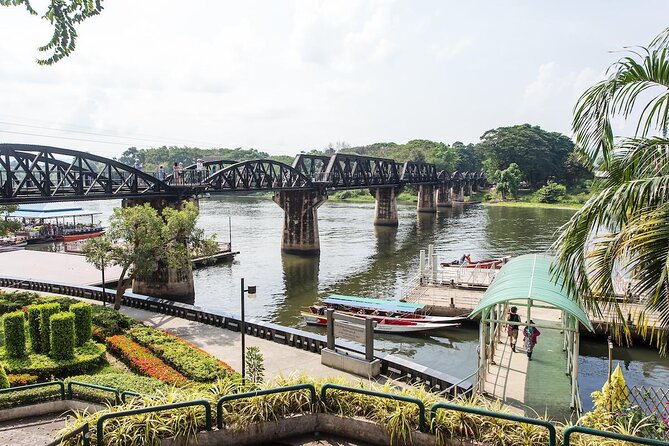
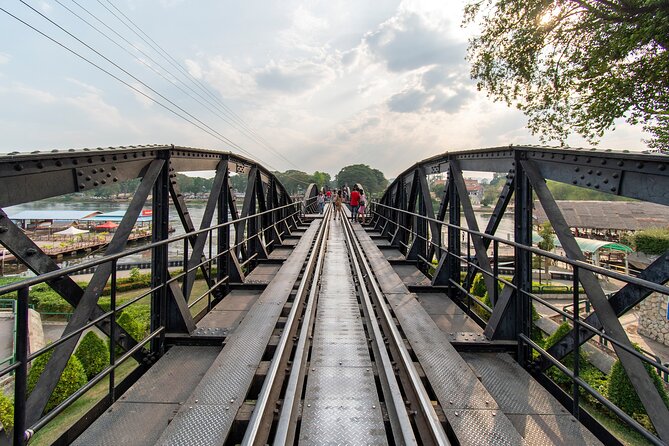
The famous Bridge over the River Kwai is a short stop, scheduled for around 30 minutes. You can take photos and see the bridge up close, but the time is brief. The place carries a lot of history and has become a familiar name around the world, so it can feel more iconic than intimate. The museum and Hellfire Pass provide the deeper context.
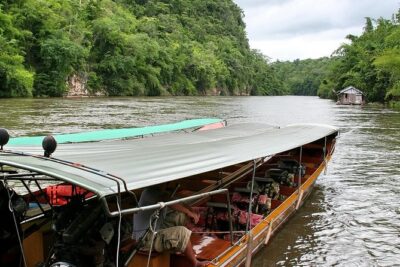
From the bridge, the tour boards a long-tail boat for the ride to the Jungle Rafts. This transfer is one of the trip’s pleasures: the road journey gives way to river travel, and the accommodation becomes part of the itinerary rather than just a place to sleep. After lunch at the raft hotel’s floating restaurant, the group heads out by boat again toward Hellfire Pass.
The boat transfers are practical, but they do require getting in and out of a low boat. The tour also involves uneven ground and some walking. If you have trouble with steps, balance, or mobility, consider that before booking.
Hellfire Pass makes the history physical
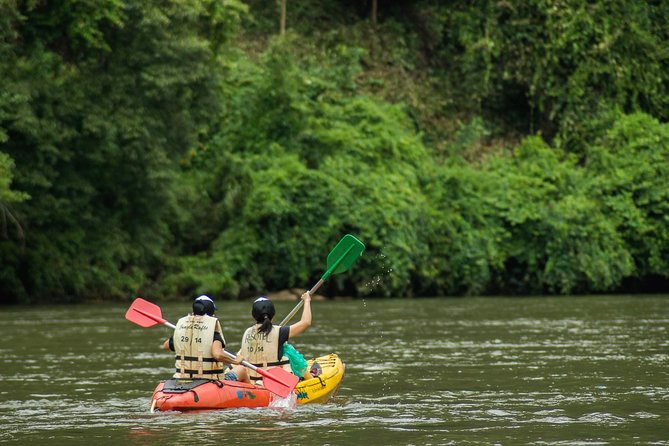
At Hellfire Pass, POWs were forced to cut a railway passage through solid rock using basic hand tools and explosives. The memorial site and interpretive centre give you a chance to understand both the scale of the work and the human cost behind it. The tour allows about an hour and a half here, including the boat journey to the area.
This is likely to be the most emotionally demanding stop. The history is grim, and the setting makes the labor easier to picture without making the suffering any less confronting. Take the time to read the displays and walk at a pace that suits you. The paths can involve hills and steps, and the day can be hot.
There is one scheduling caveat: Hellfire Pass can be closed for holidays or other reasons. If it is unavailable, the operator may arrange a substitute, but that may not feel equivalent to seeing the pass itself. If this stop is the central reason for your booking, check its availability as close to departure as possible.
A few more Bangkok tours to look at
- Bangkok: Damnoen Saduak Market and Maeklong Railway Market
★ 4.5 · 26,723 reviews - The Old Siam: Damnoen Saduak and Maeklong Railway Market
★ 4.5 · 10,992 reviews - From Bangkok: Ayutthaya Temples Guided Tour with Lunch
★ 4.7 · 10,535 reviews - Bangkok: Train Market & Floating Market with Boat Ride
★ 4.7 · 9,547 reviews
The raft stay is simple by design
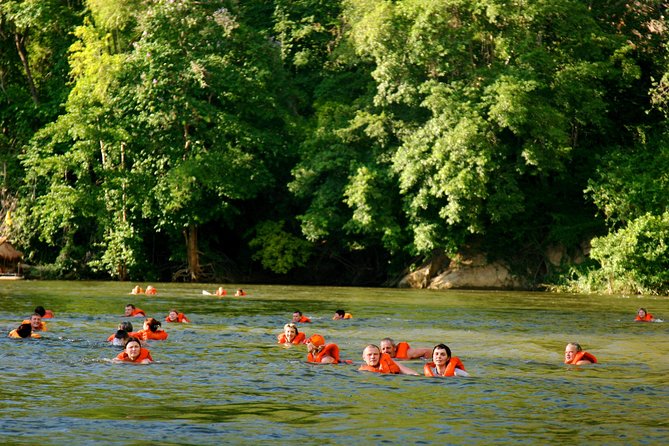
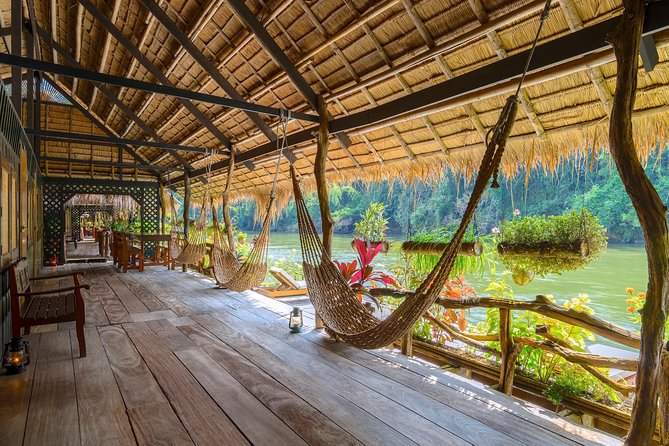
The floating raft accommodation is the tour’s clearest comfort compromise and one of its most distinctive parts. It has basic amenities and may have no electricity, with a fan instead of air-conditioning, limited or no Wi-Fi, and possibly no warm water. This is not a standard hotel night with a river view. It is an off-grid stay where the setting is part of the point.
The lack of power can be a welcome break from screens, but the heat and humidity may be less charming after a full day outside. A quick swim in the river has helped some visitors cool off, but do not assume every condition will suit you. Pack light, bring sleepwear that works in warm weather, and charge your phone, camera, and power bank before leaving Bangkok.
Water can damage electronic equipment, so protect cameras and phones on the boats and around the raft. Bring sunglasses, a hat, and high-SPF sunscreen, even on cloudy days. A small flashlight or a charged phone light may also be useful when there is no electricity, though the tour information does not specify what lighting is provided in each room.
Meals listed for the tour include breakfast and lunch, with food provided as stated in the program. The raft restaurant is part of the stay, and the food is described as plentiful and good. Still, do not assume every drink is included. One traveler was surprised to pay extra for water at lunch, so carry some Thai baht in small notes for drinks or personal purchases. Dietary requests can be passed along, but the operator cannot always confirm them in advance.
A traditional Mon dance performance takes place at the Jungle Rafts. It adds a cultural element to the overnight stay, though the schedule may shape how much time you have to relax between activities. The Mon community has lived in the area for generations, and the next morning’s village visit gives you a chance to learn more than a short performance alone could convey.
A village walk before the Death Railway train
After breakfast, the second day includes a visit to a nearby Mon village and a short hike into the jungle. The outing is scheduled for about two hours. It offers a quieter change of pace after the previous day’s museums and wartime sites, and it gives your guide an opportunity to explain local culture and daily life.
Treat this as a visit to a living community, not a staged attraction. Listen to your guide, be considerate when taking photographs, and remember that the village is home to people, not simply a tour stop. The hike and uneven paths may be tiring in the heat, so comfortable walking shoes and water are sensible.
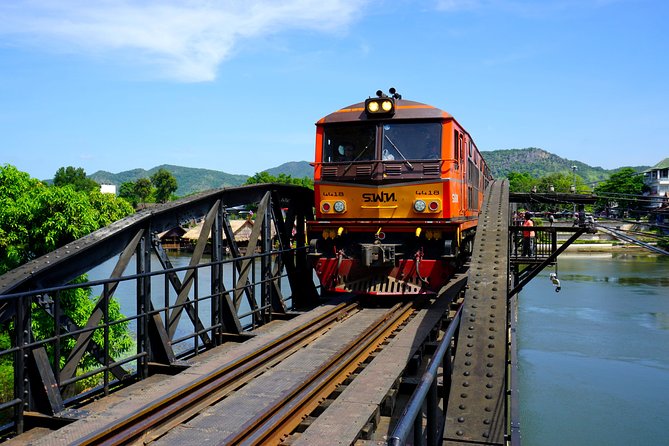
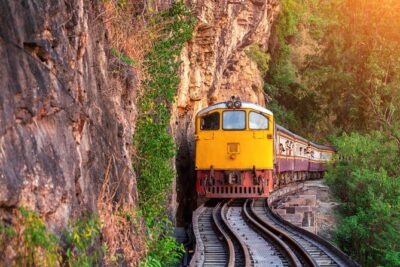
After returning to the raft hotel to check out, you travel downstream by boat and board a local train for the ride over the Death Railway. The train ticket is included. This is a powerful way to close the trip: you are riding on a surviving section of the line that POWs and Asian laborers built under brutal conditions. The journey takes about 90 minutes, with countryside views along the way.
The train is not a museum display. It is an active railway, and the experience is about seeing the route from the tracks rather than hearing about it from a road vehicle. The schedule includes the train ride, but a reported upgrade suggests seating arrangements may vary. Confirm what your ticket covers if a particular seat or upgrade matters to you.
What $209 covers, and where extra costs may arise
At $209 per person, the tour bundles transport from Bangkok, a guide, the raft stay, long-tail boat transfers, listed entrance fees, meals specified in the program, and the Death Railway train ticket. It also handles the logistics that can make this region awkward to visit independently: getting between the bridge, Hellfire Pass, the raft accommodation, village, and train.
That makes the price reasonable for a two-day guided trip, especially if you value a small group and an overnight in a place you would not easily reach by public transport. The cost is less compelling if you want a polished hotel, flexible time at each stop, or complete control of your schedule. Private and shared options are offered, and group discounts may be available, so check the price for your chosen format.
Budget extra for personal expenses, drinks not included with meals, tips, and any transfer supplement. Pickup is restricted to central Bangkok areas and main hotels. Khao San Road, Rattanakosin, Nonthaburi, Thonburi, Minburi, both international airports, and upper Sukhumvit from Soi 55 onward are among the areas excluded from standard transfers. Some travelers may need to meet at a nearby hotel instead of their private residence or apartment.
Who should book this Kanchanaburi escape?
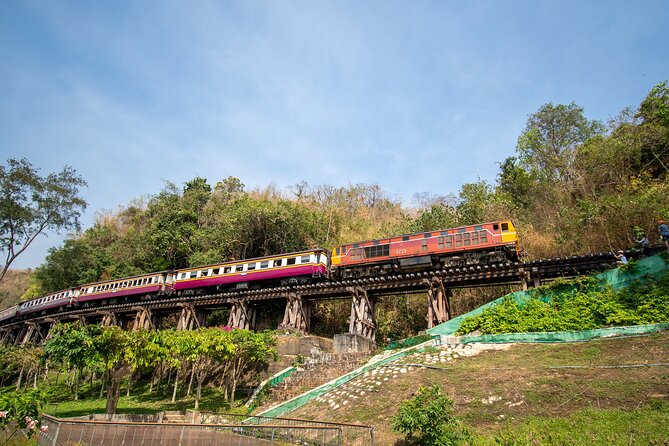
I would choose this tour if you want a serious look at the railway’s wartime history and prefer to have transport and site connections arranged for you. It suits people who are comfortable with basic accommodation, warm weather, boat transfers, and a busy two-day schedule. The overnight raft makes the trip more memorable and gives the journey a calmer rhythm than a day trip from Bangkok.
It is less suitable if you need air-conditioning, dependable Wi-Fi, warm water, or easy access for limited mobility. The tour includes bumpy and uneven roads, walking, hills, and steps, and is noted as unsuitable for pregnant people and those with neck or back problems or limited mobility. If your schedule allows only one day, bear in mind that the overnight version includes Hellfire Pass, which a day tour may not visit.
Book it for the combination of history, river travel, and the raft stay, not for luxury or a leisurely pace. If you can accept the basic room and heat, the two days bring the railway story into focus in a way that a quick bridge photo cannot.
FAQ
How long is the tour?
It lasts approximately two days, with an early morning departure from Bangkok at about 6:00 am.
Is pickup from my Bangkok accommodation included?
Pickup is offered from main hotels in central Bangkok. Some districts, both international airports, and other locations outside the standard pickup area are excluded or may require a supplement. People staying in private residences or apartments may be asked to meet at a nearby hotel.
Is the tour private or shared?
It operates as either a private tour or a shared seat-in-coach tour. Shared tours have a maximum of 15 travelers and use an English-speaking guide.
What is the overnight accommodation like?
You stay in a shared twin or double room at a floating raft hotel. The accommodation is simple and may have no electricity, air-conditioning, Wi-Fi, or warm water.
Are meals included?
Breakfast and lunch are listed, along with meals as specified in the program. The tour also includes snacks, drinks, or refreshments during the tour as stated, but you should not assume every drink at a meal is included. Dietary requests are accommodated when possible, but cannot always be confirmed in advance.
Is the train ticket included?
Yes. The tour includes a ticket for the local train ride over the Death Railway.
Is Hellfire Pass always part of the visit?
Hellfire Pass is included in the planned program, but it can be closed for holidays or other reasons. A substitute site may be used if it is unavailable.
Is this tour suitable for someone with limited mobility?
The tour involves uneven paths, bumpy roads, walking, hills, and steps. It is stated to be unsuitable for people with limited mobility, pregnant people, and those with neck or back problems.
Just in for Bangkok
- Private Tour to Ayutthaya and Bang Pa In Palace with Boat Tour★ 5.0 · 15 reviews
- Private Tour to Maeklong Railway Market and Floating Market★ 5.0 · 42 reviews
- Private Tour to Ayutthaya, World Heritage Site with Boat Tour★ 5.0 · 55 reviews
- Private Tour – Top 3 Major Monuments (Grand Palace, Wat Pho, Wat Arun)★ 4.5 · 21 reviews
- Private Tour for Ancient City Bangkok and Erawan Museu(min 2 pax)★ 4.5 · 8 reviews
- Private Tour: The Dragon River & Land of Sacred Deities Chachoengsao★ 5.0 · 4 reviews
- Private Tour to Ayutthaya, World Heritage Site with Boat Tour★ 5.0 · 39 reviews
- Scenic Boat Ride & Private Thai Cooking Class in Bangkok with Aoy★ 5.0 · 5 reviews
Kanchanaburi Tours, compared.

Bridge on the River Kwai and Thailand-Burma Railway Tour
Read our review →
Erawan Waterfalls and Bridge Over River Kwai Tour from Bangkok
Read our review →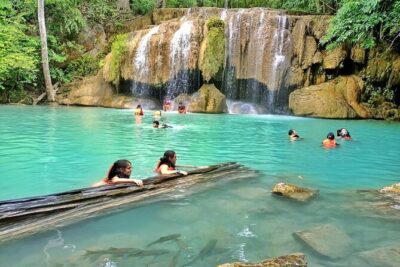
Kanchanaburi Full Day Tour: River Kwai and Erawan Falls
Read our review →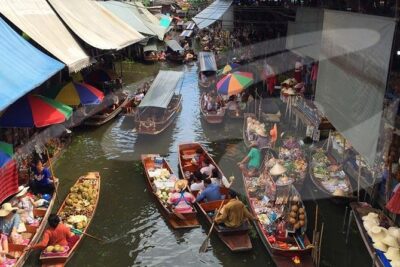
Floating Markets and Bridge on River Kwai Tour from Bangkok
Read our review →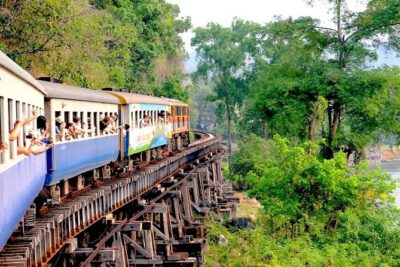
River Kwai Day Tour from Bangkok – History, Scenery & Culture
Read our review →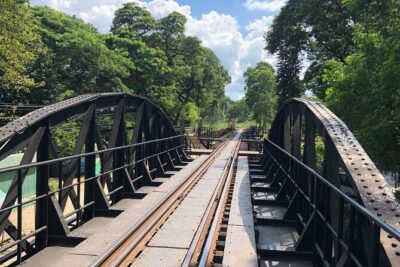
Bridge over River Kwai and Hellfire Pass Tour with Train Ride
Read our review →Browse the lists this tour appears in