
Reviewed · BANGKOK COOKING CLASSES
Bangkok: Half-Day Thai Cooking Class in Bangrak District
Bangrak’s market is more than a place to shop for dinner: it is a working guide to the ingredients that give Thai food its balance of heat, sweetness, sourness, and fragrance. This four-hour class connects that everyday food culture to your own chopping board, with a chef guiding you through five dishes you then sit down to eat.
I like two things in particular: the morning market visit, which puts ingredients in context before you cook, and the chance to learn practical techniques while making a full meal. One consideration: the menu changes daily, so you may not cook a particular favorite, such as Pad Thai, on the day you attend.
- Morning classes visit a fresh market beside the school, where your chef introduces local ingredients and shops.
- You prepare five Thai dishes, then share what you have made as a group.
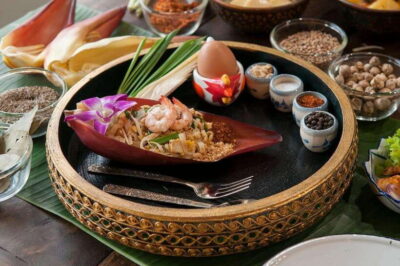
- The menu varies by day, with possible dishes including curry, Pad Thai, spring rolls, and mango sticky rice.
- Chefs such as Sarin, Natcha, and Kimmy have led classes, explaining ingredients, cooking methods, and useful substitutions.
- Recipes and class pictures are sent after the class, so you have a reference when you try the food at home.
- The four-hour class costs $45 per person, with ingredients, instruction, water, coffee, and tea included.
Start with Bangrak’s morning market
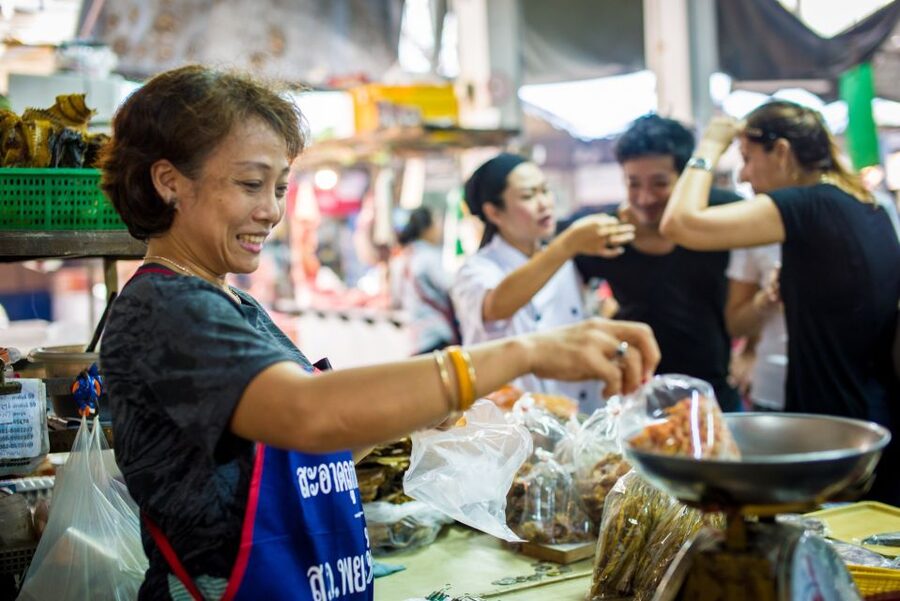
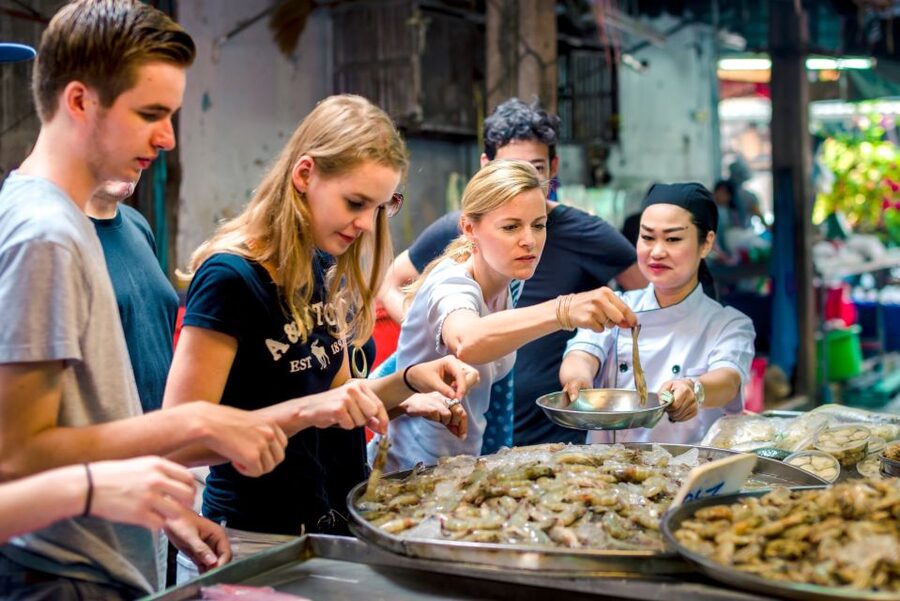
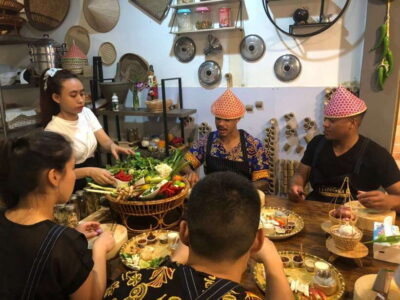
The class begins at the cooking school in Bangkok’s Bangrak district, on a road beside a fresh market. If you book the morning session, you first walk through the market with your instructor. You get to see where local shoppers buy ingredients, and your chef can explain what you are looking at before those unfamiliar items appear on the cooking table.
That first stop gives the class useful context. Thai dishes can look simple on a menu, but their flavor depends on how ingredients work together. Learning what a particular herb, paste, vegetable, or noodle contributes helps you understand more than a recipe’s list of quantities. It also gives you a small, everyday glimpse of how food shopping fits into city life.
The market visit is for the morning session only. If seeing ingredient stalls and hearing about local groceries matters to you, book that option rather than assuming every class includes it. The market is a working place, not a staged food attraction, so expect an ordinary local shopping environment rather than a polished demonstration.
Finding the meeting point may take a little attention. The meeting point can vary depending on the option you book, and one participant needed help from market workers after getting lost. Check the exact instructions for your session before setting out, and allow time to find the school. Transport to and from your hotel is not included.
Cook five dishes with a Thai chef
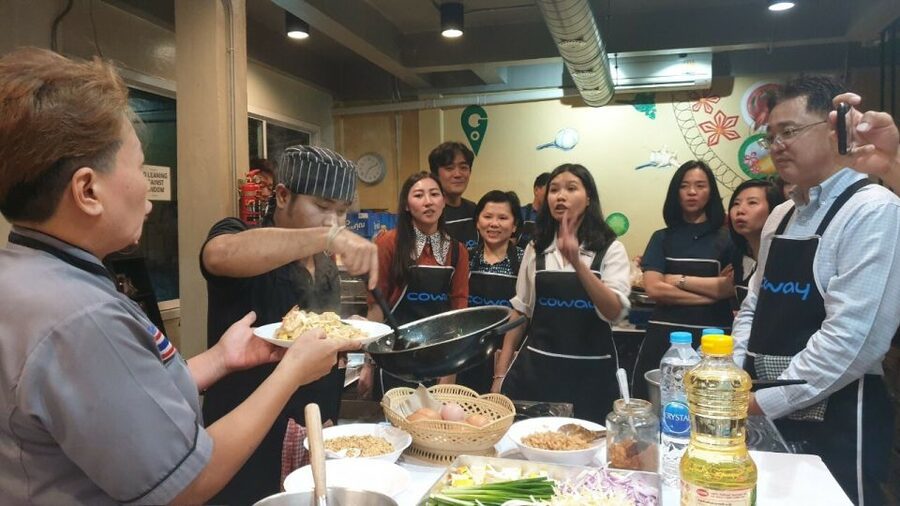
After the market, the focus shifts to the kitchen. Your instructor guides you through five dishes, with the ingredients and lessons included in the price. The menu changes daily, so the dishes you make depend on the class schedule. Curry, mango sticky rice, hand-rolled spring rolls, and Pad Thai are among the possibilities, but none is guaranteed on a particular date.
The cooking is designed for learners, not just for people who already know their way around a kitchen. Past class menus have included dishes such as Massaman curry and Tom Kha, and participants have described the work as accessible even for beginners. You get a chance to take part in the preparation rather than simply watching a chef cook. That makes the class a better fit if you want to understand the steps behind a meal, not only sample one.
Instructors explain how ingredients affect flavor and texture, and they share tips for preparing Thai food at home. Some have also offered substitutions based on ingredients available in other countries. That kind of advice matters once you are back in your own kitchen, where a Thai market’s exact produce and pantry staples may be hard to find.
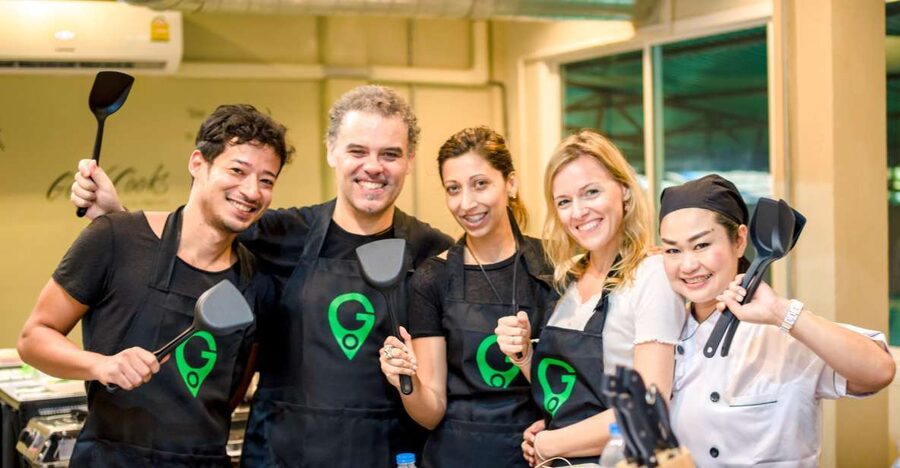
The teaching style is a strong part of the experience. Chefs including Sarin, Natcha, and Kimmy have led classes, with individual instructors bringing their own stories, humor, and advice. Sarin has adjusted menus for preferences such as avoiding seafood, while other chefs have tailored dishes for people who do not eat fish. Still, tell the operator about allergies before class. Do not rely on a preference being understood unless you have raised it in advance.
More cooking classes around Bangkok:
- Bangkok: Hands-on Thai Cooking Class and Market Tour
★ 4.9 · 1,614 reviews - Bangkok: Tingly Thai Cooking School Half-Day Cooking Class
★ 4.9 · 1,191 reviews - Bangkok: Maliwan Thai Cooking Class with Market Tour
★ 4.9 · 1,133 reviews
Expect a meal, not a small tasting
The five dishes become your lunch or substantial meal, served as the class progresses and then enjoyed with the group. Come hungry. Several participants found there was more food than expected, and one practical tip comes up again and again: skip a large breakfast beforehand. If you eat lightly before class, you will have room to enjoy the dishes you have worked on.
There is a social side to eating together. You can compare results, ask the chef follow-up questions, and enjoy food that you have just prepared. The class has sometimes been very small, including sessions with only a couple or a handful of participants. That can mean extra time with the instructor, but group size is not guaranteed, so do not book expecting a private lesson.
The atmosphere appears to be relaxed and conversational. Chefs have talked about Thai food and culture while helping the class run smoothly, and participants have found it easy to ask questions. If you are shy about cooking, remember that the point is to learn. Ask why an ingredient is used, what a cooking step changes, or how to adapt a dish at home. You will get more from the time if you treat it as a lesson, not a test.
If you cannot finish everything, you might be able to take leftovers away. That has happened in some classes, but it is not listed as a standard inclusion, so do not count on it. In any case, you are unlikely to leave hungry.
The daily menu is the main trade-off
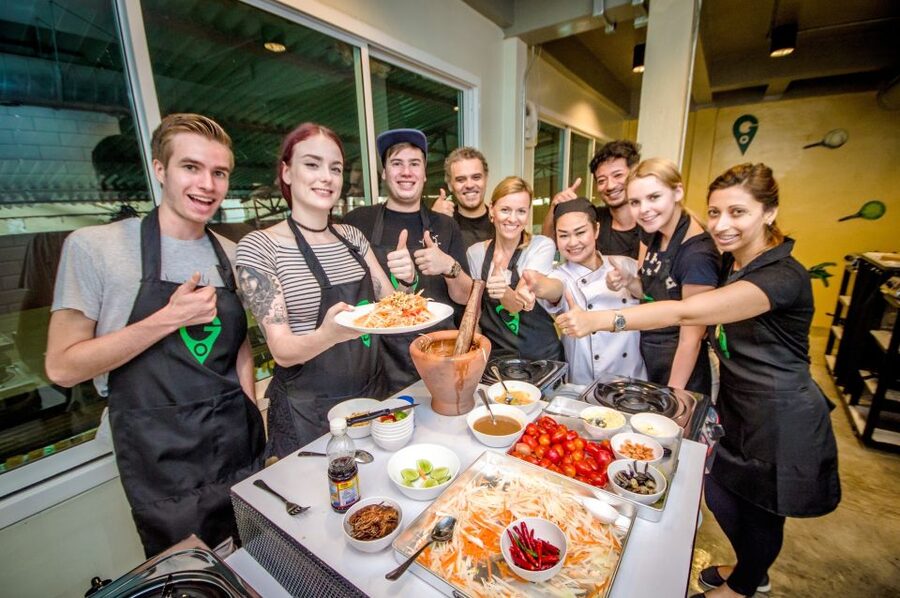
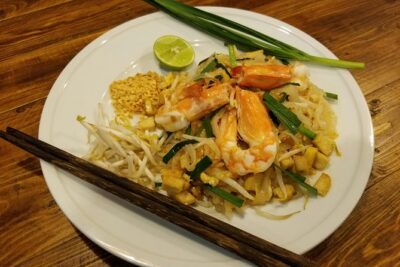
A changing menu keeps the class tied to what the school is preparing that day, but it also means you may not make the one dish you came for. Pad Thai, for instance, has not been on every day’s menu. If cooking a specific recipe is essential, ask the operator about the menu before booking rather than assuming it will be served.
The uncertainty is easier to accept if your goal is to learn several sides of Thai cooking. Five dishes give you a range of flavors and techniques, and an instructor can help you see how ingredients contribute to each dish. A visitor who had hoped for Pad Thai still enjoyed a class with a different menu, but the mismatch is worth considering if you have a must-cook dish.
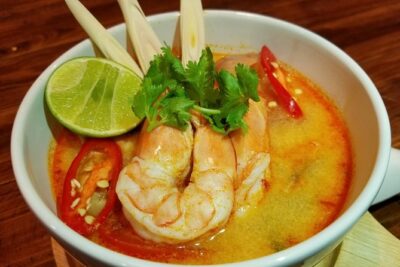
The class is also a useful way to explore dishes beyond familiar restaurant favorites. One participant discovered Tom Kha for the first time and later found that the version made in class was hard to match elsewhere. That is a good reminder: the meal is not only a chance to practice recipes you already know. You may find a new favorite while learning what goes into it.
Recipes make the lesson useful at home
After class, the school emails the recipes and class pictures for free. That follow-up turns a pleasant meal into something you can use later, when you are trying to remember how the curry came together or what your instructor said about a particular ingredient. The recipes are especially valuable if you are new to Thai cooking and want a clear starting point.
The class also gives you a reason to pay attention to technique. Several participants appreciated learning how much preparation goes into familiar dishes, including curry and Pad Thai. Once you have chopped, mixed, and cooked the components yourself, a restaurant plate can look different. You gain a better sense of the work behind the flavors, as well as a practical way to recreate some of them.
Class pictures are included, too. They can help you recall the day and your cooking, while the recipes provide the more useful reference for home practice. If you want to bring a taste of Bangkok into your regular routine, make sure the email arrives after the class and save the recipes somewhere easy to find.
A few more Bangkok tours to look at
- Bangkok: Damnoen Saduak Market and Maeklong Railway Market
★ 4.5 · 26,723 reviews - The Old Siam: Damnoen Saduak and Maeklong Railway Market
★ 4.5 · 10,992 reviews - From Bangkok: Ayutthaya Temples Guided Tour with Lunch
★ 4.7 · 10,535 reviews - Bangkok: Train Market & Floating Market with Boat Ride
★ 4.7 · 9,547 reviews
What $45 includes, and what it does not
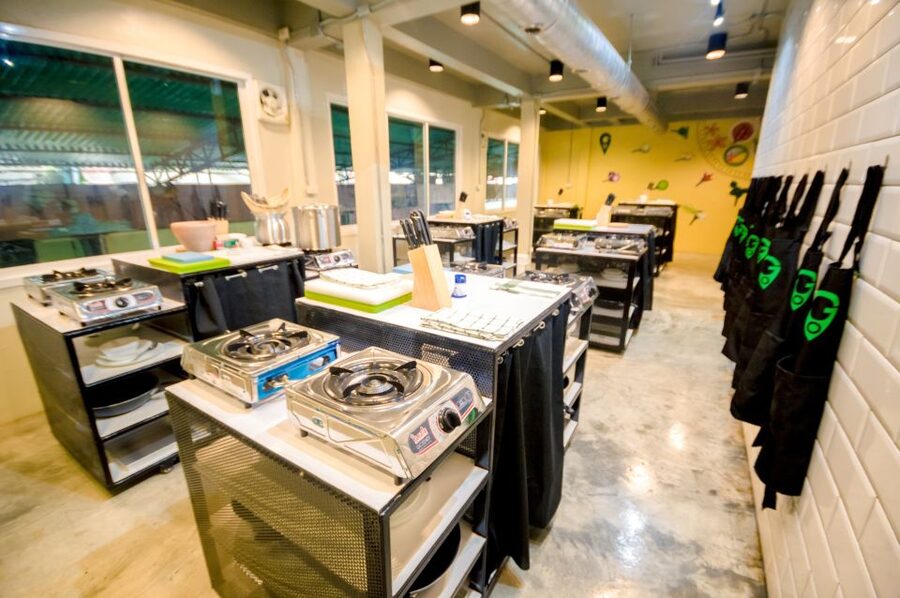
At $45 per person for four hours, the price covers a lot more than a sit-down meal. You get an expert Thai chef, ingredients and instruction for five dishes, and the food you prepare. Water, coffee, and tea are included, along with the recipes and class pictures sent afterward. The morning session adds a market visit at no extra charge.
That makes the class good value if you are interested in food and want a participatory activity rather than another meal out. The instruction, market context, cooking time, and take-home recipes each add something different. You are paying for a half-day experience that can continue to be useful after you leave Bangkok.
The price does not include transport to or from your hotel, so add that to your plans. Beers are available to buy, and you may bring your own alcohol without a corkage charge. Halal and vegetarian-friendly options are available, but share dietary needs and allergies with the operator in advance so the class can plan accordingly.
Who should book this Bangrak cooking class
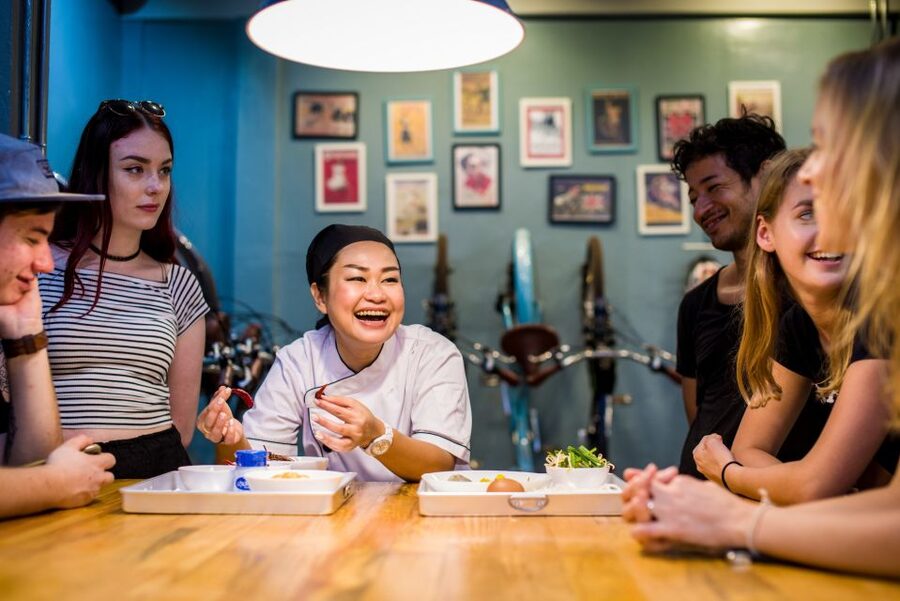
This class suits food lovers who enjoy doing as well as tasting. It is a particularly good choice early in a Bangkok visit: the morning market can introduce you to local ingredients, while the cooking lesson gives you a fresh way to understand dishes you will encounter elsewhere in the city. It also works well for couples, friends, or solo participants who are comfortable spending several hours in a group kitchen.
You do not need to be an experienced cook. The class has been described as beginner-friendly, and the chefs guide participants through the process. You should, however, be ready to take part, ask questions, and eat a generous amount of food. If you prefer a quick demonstration, a set menu, or a guaranteed chance to cook one particular dish, this may not be the best match.
There are a few firm limits to note. Participants must be at least 12 years old and 140 centimeters tall. The activity is not suitable for people with mobility impairments. The class is offered in Thai and English, and the instructor’s language for your session is listed as Thai and English.
Should you book it?
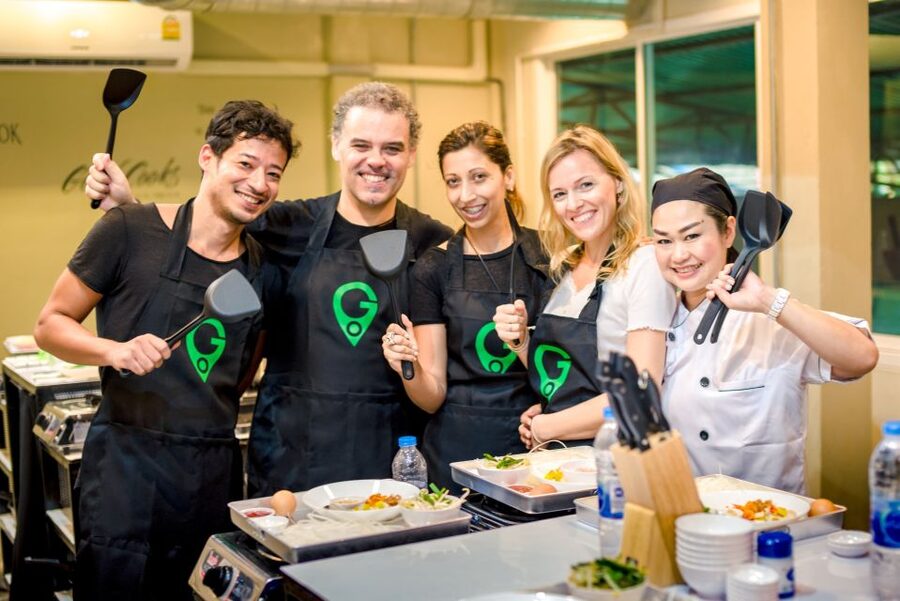
Book this class if you want to connect Bangkok’s food culture with practical cooking skills. The strongest combination is the morning market visit, direct guidance from a Thai chef, five dishes to make and eat, and recipes to take home. At $45, that is a worthwhile four hours for anyone who enjoys food enough to get involved.
Think twice if you have a fixed dish in mind, since the menu changes daily, or if walking through a market and working in a kitchen does not appeal. For the best chance of getting the full food experience, choose the morning session, arrive hungry, tell the school about dietary needs in advance, and check your meeting-point details before leaving your hotel.
FAQ
How long is the Thai cooking class?
The class lasts four hours.
How many dishes will I prepare?
You will prepare five Thai dishes and eat the food you make.
Is the market visit included in every session?
No. The market tour runs in the morning only.
Is the menu the same every day?
No. The menu changes daily. Possible dishes include curry, mango sticky rice, spring rolls, and Pad Thai, but a specific dish is not guaranteed.
Are recipes included?
Yes. The school emails the recipes and class pictures after the class at no extra charge.
Can the class accommodate vegetarian or halal diets?
The class is described as halal and vegetarian-friendly. Tell the operator about your dietary needs and any allergies in advance.
Is transport from my hotel included?
No. Transport to and from your hotel is not included.
What are the age and height requirements?
Participants must be over 12 years old and at least 140 centimeters tall.
Just in for Bangkok
- Private Tour to Ayutthaya and Bang Pa In Palace with Boat Tour★ 5.0 · 15 reviews
- Private Tour to Maeklong Railway Market and Floating Market★ 5.0 · 42 reviews
- Private Tour to Ayutthaya, World Heritage Site with Boat Tour★ 5.0 · 55 reviews
- Private Tour – Top 3 Major Monuments (Grand Palace, Wat Pho, Wat Arun)★ 4.5 · 21 reviews
- Private Tour for Ancient City Bangkok and Erawan Museu(min 2 pax)★ 4.5 · 8 reviews
- Private Tour: The Dragon River & Land of Sacred Deities Chachoengsao★ 5.0 · 4 reviews
- Private Tour to Ayutthaya, World Heritage Site with Boat Tour★ 5.0 · 39 reviews
- Bangkok Private Walking Food Tour with 10+ Tastings in Chinatown★ 5.0 · 67 reviews
Bangkok Cooking Classes, compared.
Tingly Thai Cooking School Half-Day Cooking Class
Read our review →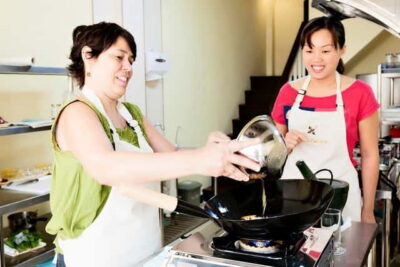
Tingly Thai Cooking Class with Morning Market Tour
Read our review →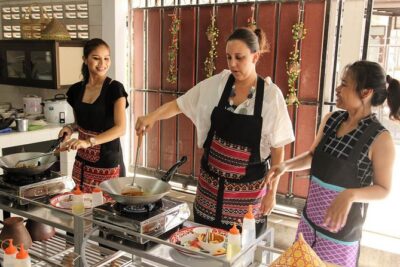
Pink Chili – Thai Cooking Class and Market Tour in Bangkok
Read our review →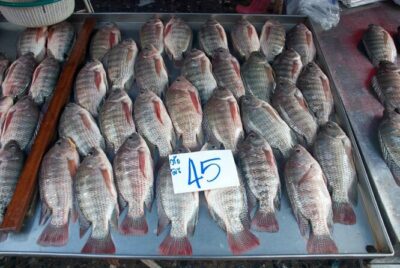
Authentic Thai Cooking with the Largest market visit &TukTuk ride
Read our review →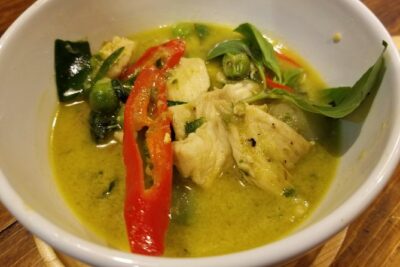
Browse the lists this tour appears in